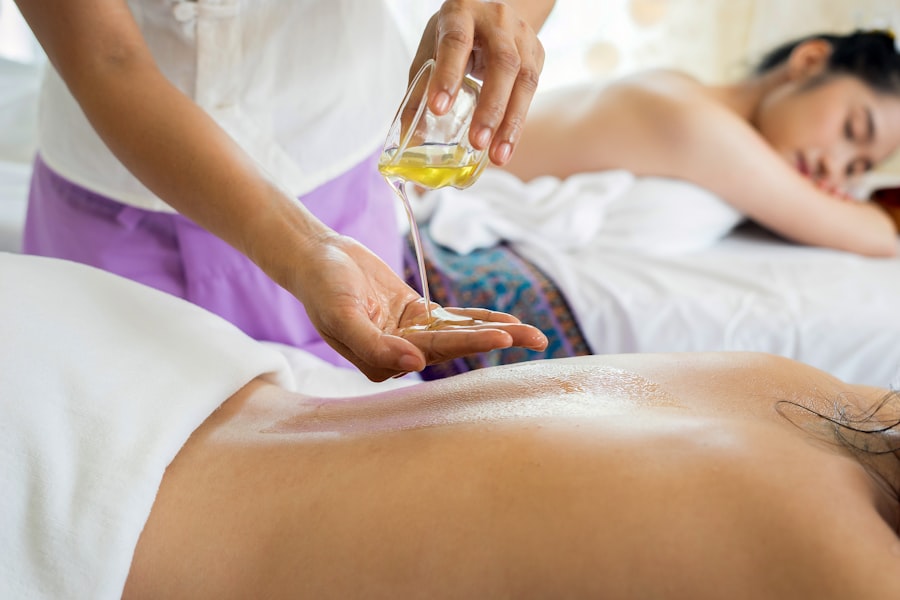
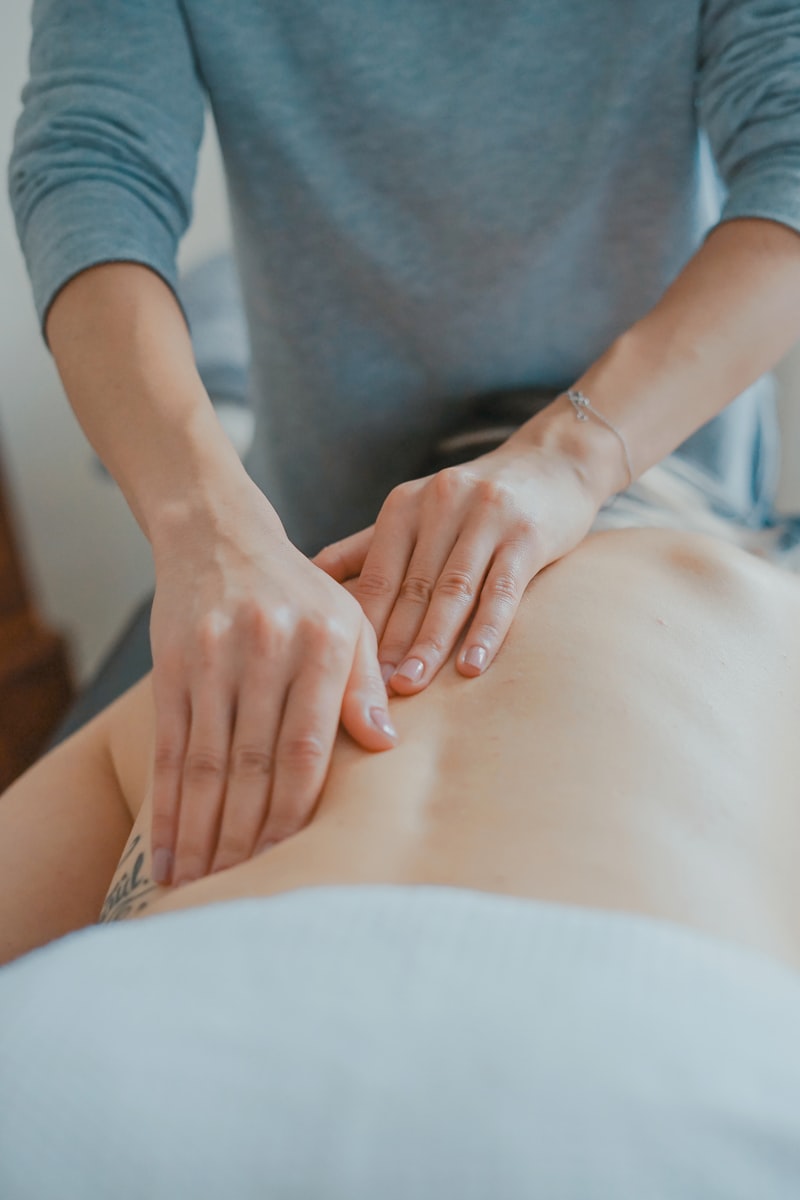
A heritage healing practice, taught the way it was handed down to me — hands-on, patient, and rooted in real anatomy. Train online, in-house, or one-on-one, from anywhere in the world.
"Hilot" simply means to heal.
Long before it had a curriculum, Hilot was passed hand to hand — through touch, through attention, through generations of Filipino healers who learned the body by listening to it. That's still how it's taught here.
Every technique taught at Asian Blend Spa traces back to a real training path — not a weekend workshop. Here's the road that shaped the curriculum.
Began the journey in the healing arts with two years of formal Thai massage training.
Expanded into sports massage, learning to support active bodies and recovery.
Opened the first doors with one goal: a space for healing, relaxation, and renewal.
Rebranded in Tyger Valley as Asian Blend Spa — home of tranquility and wellness.
Completed a Holistic Massage Certification and continued studying Shiatsu online.
Twelve years of trusted practice, still rooted in Philippine heritage and dedicated, hands-on care.
Whether you have ten minutes a day or a weekend to dedicate, there's a path into Hilot and massage therapy that works for you.
A complete self-paced course — step-by-step video lessons, technique walkthroughs, and a certificate of completion. No science background required.
Printable exercises, body-mapping diagrams, and routine checklists designed to reinforce every video lesson.
Hands-on mentorship at the spa — real clients, real feedback, direct guidance from a working therapist.
Structural systems and body-mapping lectures — plus what tension in the body can tell a therapist about a client.
Six modules, taught the way Hilot was taught to me — hands-on, patient, one skill built on the last.
How to greet, consult, and set up a session so the client feels safe before you ever place a hand on them.
Basic body structure, major muscle groups, and how the systems of the body relate to touch.
The essential strokes and how to sequence a full-body routine that flows from start to finish.
Why technique — not force — relaxes a muscle, and how to read what a client's body is telling you.
The heritage Filipino approach layered onto what you've already learned — heat, rhythm, and intuitive palpation.
Professional standards, contraindications to know, and how to build a client base that keeps coming back.
Structure first — then what tension in the body actually tells a therapist about the person on the table.
206 bones give the body its shape and its limits — where a stroke can safely press, and where it can't.
How massage supports blood flow, and why warmth and rhythm matter as much as pressure.
How touch calms the nervous system, and why a client's breathing changes when they finally relax.
A recurring lecture theme: tension has a location, and location often has a story. This is taught alongside — never instead of — solid anatomy.
Shoulders often carry more than posture — the weight of everything a client is holding for other people.
The hips hold deep patterns — what was too much at the time, carried in the body long after the moment passed.
Clenching isn't random. It's often what wasn't said, and what's still being held back.
The gut processes more than food — when feelings aren't understood, they often settle here instead.
Every module is built the way the body works — from structure, to technique, to the business of running a practice.
"Rooted in tradition, driven by passion, committed to you. Twelve years of trusted massage experience — and counting."— Anabel Solomon, Founder
The companion ebook and practice workbook — everything from the video course, in print.
Founder of Asian Blend Spa and its Training Academy — the first Filipino massage spa in Cape Town. Anabel has trained aspiring therapists since 2018, bringing real anatomy, real technique, and real client care into every lesson, alongside medical-training standards developed in collaboration with a senior nurse-education professor.
She's trained complete beginners, working therapists sharpening their skills, and anyone simply passionate about learning the art of touch — building not just technique, but the confidence to practice it.
Start with the free curriculum guide, or jump straight into the course that fits how you learn.